

Still in the sheep world
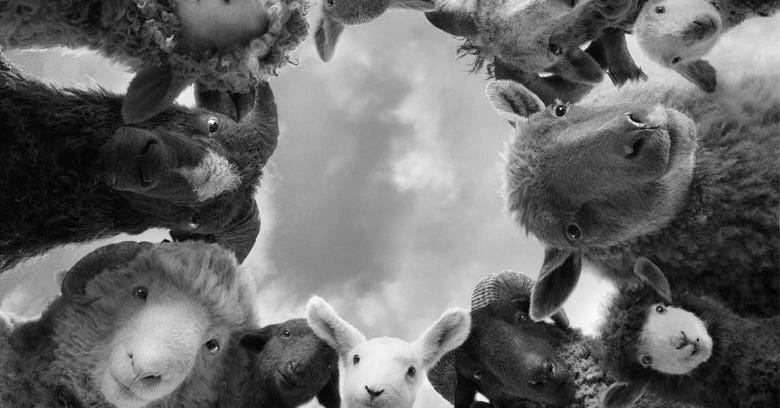
I recently watched The Sheep Detectives, and it’s very well made. I don’t think I’ve entirely left its world yet. The sheep are cute, but something about the way these small, woolly creatures move through confusion, grief, sadness, and mystery was interesting. I went in expecting very little, assuming it would be a funny, light story: a flock of sheep tries to solve the death of the man who cared for them. George dies, and the sheep become detectives. That sounded like the whole joke, a silly premise and nothing more.
Sheep storytime, go to bed, then a death
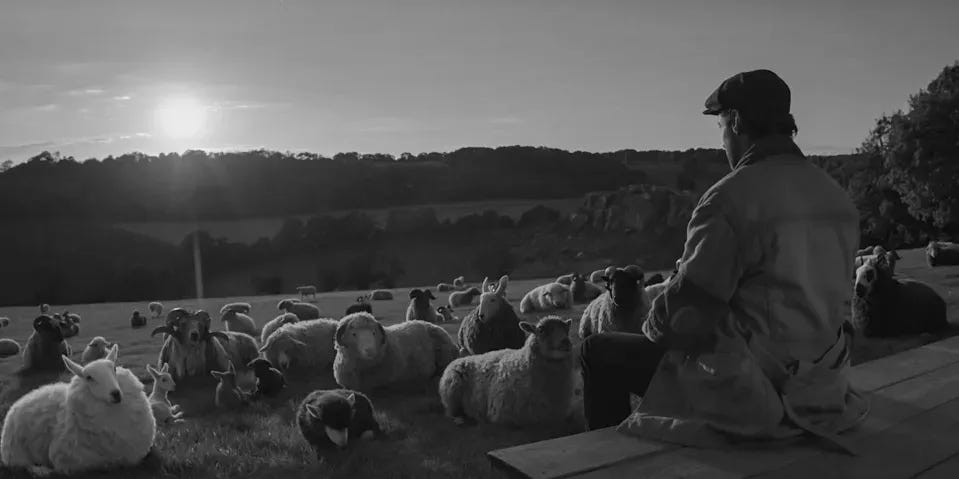
George reads to them every night, mostly detective stories. He does it for comfort, without noticing the way stories build inner worlds. After his death, the sheep begin to think through the grammar he gave them. They look for clues, assign motives, press events into patterns. It’s hard to watch without thinking about what books do to humans, and how often we call it “enrichment” or “entertainment” when it is really a slow reshaping. It is not just decorating the mind with additional knowledge..
Oops, the sheep brain has been edited
Most of us are carrying forms of attention we received from others long before we consciously chose them. Stories teach us what to notice, what to fear, what to expect from love, justice, suffering, loneliness, beauty, or hypocrisy. The forms we inherit become habits, and they feel like our own minds. A child raised on myths does not look at storms the same way as someone raised on scientific explanations alone.
A very fluffy theory of death
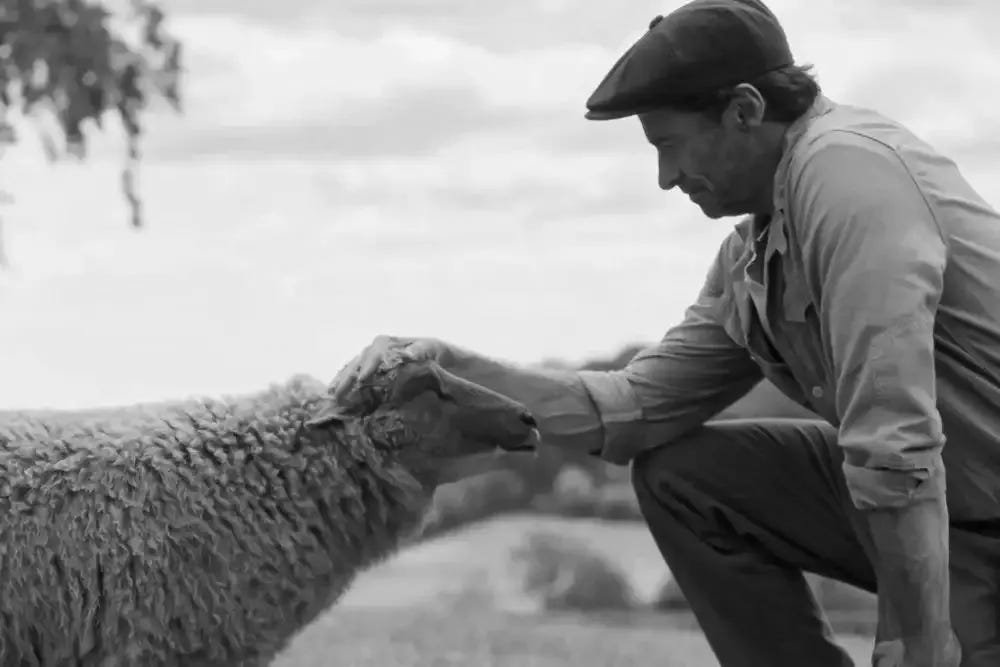
“Sheep don’t die, sheep turn into clouds” was my favourite line. The sheep can’t fully comprehend death, so they reach for a story that makes it bearable. And of course they do. Every culture wraps death in narrative because bare mortality is too immense to hold directly. Religions, epics, myths, family legends, even national histories become ways of rendering suffering narratable. It makes me wonder whether a mind can live for long inside pure chaos, with no story to hold the edges of it.
Sheep stay sheep
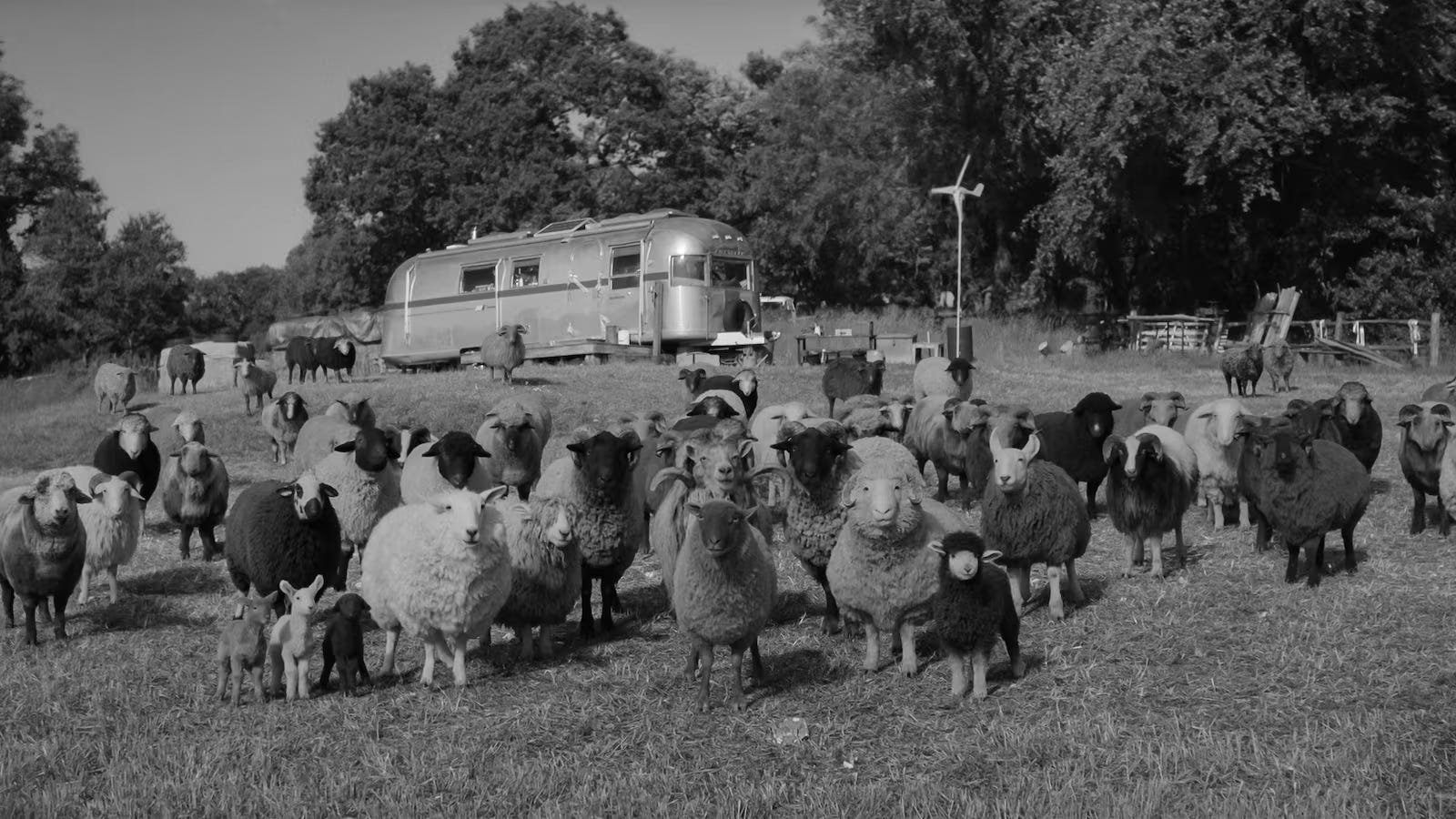
Throughout, the sheep remain recognisably sheep without turning into woolly humans with clever lines. They misunderstand, get stubborn, interpret the world incorrectly. The flock starts to resemble a civilisation, with rumours and hierarchies and beliefs that harden into certainty. Without meaning to, George has shaped the architecture of sheep minds through storytelling. That is beautifully and tragically human because we are altering one another without realising it. And perhaps this is why George’s absence feels so enormous to the flock. They have not only lost a caretaker. They have lost the voice that once interpreted the world for them every evening. Long after we forget plots and quotes, books remain inside us as habits of seeing, in questions we ask and details we notice. Sometimes another mind enters ours, and we only recognise the change years later.
Yours in thought,
Yana