

Myths, what are they?
I’m studying a course on Greek mythology, and this week’s overthinking has been strangely simple: what is a myth. It’s one of those topics that feels obvious until you attempt to define it. I’d love to hear your view, if you feel like sharing in the comments. So, what are myths?
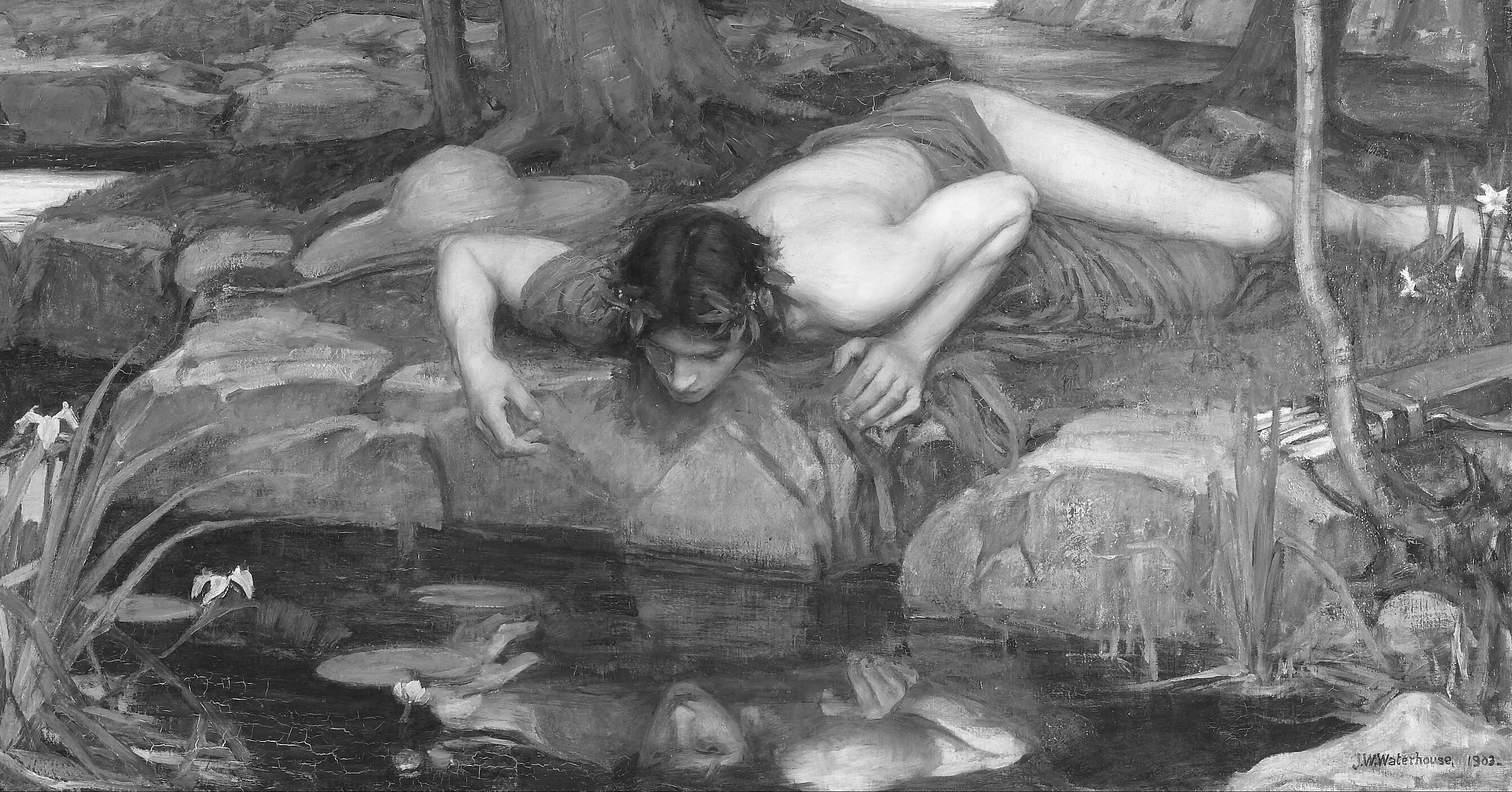
They are stories, yes, but they are also a culture’s way of introducing itself to itself. A community trying to say, in the only medium it had for a long time, this is who we are, this is where we come from, this is what the world feels like when you live inside it. And maybe most importantly, this is how we live under the forces we cannot fully name, the gods, fate, the sky, whatever word a particular time and place chose. Sometimes, a kind of fear too. Hope and fear are a strange pair, but they make sense together here.
When I read myths, I notice how hard it is to talk about “truth” without immediately sliding into the modern habit of asking whether something really happened, because myth doesn’t behave well under that question, as we can’t verify it. And yet, it also refuses to become more fiction in the way a novel is fiction. There’s something else going on here, a claim to truth that is not about dates and evidence. I think it feels closer to psychological truth or value-truth, or the kind of truth that has to do with atmosphere.
What does it feel like to be a person in this world?
What does it feel like to belong to this community?
What kinds of things are admired here?
What kinds of things are feared?
What kinds of things are punished?
What kinds of things are forgiven?
Sometimes the only way to say those things is to let gods and heroes carry them for you. I think this is why myths feel formative in a way that formal education rarely is. We tell children stories before we teach them arguments. We give them narratives before we give them frameworks. And even when we call those stories “just stories”, they make a home inside the child’s mind. They begin shaping what feels plausible, what feels heroic, what feels shameful, what feels sacred. That feels more influential than we like to admit, because it implies that what we choose to tell our young is not harmless entertainment, but it gets inherited and becomes the soil in which later thought grows.
In that sense, to me, myth becomes a reservoir.
Art draws from it, because myth is filled with symbol and emotion.
Religion draws from it, because myth already holds relationships with the divine.
Philosophy draws from it, because myth raises questions before it answers them.
Science draws from it, in its earliest impulses, because myth is one of the first ways human beings tried to explain the world.
This is where storytelling was/is the key for myth to survive becomes stories survive. Someone tells them, someone remembers them, someone repeats them. They belong to memory (not in the vague sense of “the past”) as the intimate sense of someone’s voice carrying something they did not invent. Because we know myths are often older than the people telling them. They get altered by every retelling.
Oral tradition, especially makes this more prominent. Before writing, a story is not fixed. It is not a text you can point to and declare definitive. It is something that changes with the teller, with the place, with the listeners, with the needs of the moment. Here variation is the medium in which story flows, allowing multiple versions to exist without one version needing to defeat the others.
And then, at some point, the myths enter the written world. Around the literate era, the tales begin to crystallize into literature. They moved through poets and tragedians, through historians, and philosophers, through scholars and commentators. What interests me is how the myth doesn’t stop being myth when it becomes text. It moved from voice to page, from performance to manuscript, and then continues to live through the people who interpret, argue with, and reframe it. Sometimes I feel that we underestimate this. We think of writing as preservation, but writing is also transformation. It changes what a story is allowed to be. One another thing that’s interesting about myths is, how they leave more room for multiple versions to coexist without one completely closing the others down.
Another fascinating thing to me is, the way myths link to the cosmos. Stories contain gods and skies, and sky itself becomes part of its symbolic vocabulary. Planets map onto gods. Gods map onto moral qualities. The movement of stars becomes a way of imaging the movement of history. Even if we no longer believe any of that literally, its difficult not to feel the beauty of the impulse. Beautiful desire to make the universe speak in a language.
Lately, I’ve been stuck on one claim that “myth can’t simply be invented”. That if everyone understands a story as gratuitous invention, it becomes fiction, not myth. I understand, myth needs credibility, not necessarily factual credibility, but some sort of existential credibility. It needs to feel as though it came from somewhere larger than a single person’s imagination. And yet I also want to push back, or at least complicate it. We are reading these stories from so far away. The life-world that produced them are long gone. The way people lived, the way they understood life, suffering, divinity, fate, nature, language, all of it is distant.
Sometimes I wonder whether this distance is part of why myths fascinate me. They feel like messages from a human mind that is not quite ours anymore, which is shaped differently. And then I can’t help turning these thoughts around.
If people thousands of years from now looked at our stories, our films, our political myths, our personal narratives, would they feel similarly detached?
Would our stories begin to look like myths to them?
Would they still carry a claim to truth, even if the details seemed strange, even if the context was impossible to fully recover?
What makes a story turn into myth over time? Is it age? Is it repetition? Is it usefulness? Is it the way a community keeps needing it?
The development of language feels like a turning point not just in human evolution but in human self-understanding. I can imagine long stretches of time where storytelling cultures flourished without writing. Where memory, voice, and repetition were the technologies then. Where a community’s sense of itself depended on what could be carried in speech. Writing comes later, and it brings so much, but it also changes this beauty in transmission, making it easier to preserve and freeze.
Myths to me, still feel alive because I see the traces of them being told. They carry the sense that they were never meant to be pinned down into a single correct version. They were meant to be lived with, returned to, spoken again, maybe sightly different, by another mouth, in another time, making them endure to remain capable of holding human experience.
Yours in thought,
Yana